Adjusting your settings isn’t about digging through menus like you’re searching for lost keys. It’s about making your device or app work the way you actually use it - not the way someone else thinks you should. Whether you’re tweaking brightness on your phone, changing notification sounds on your laptop, or resetting privacy options in an app you use daily, the goal is simple: control. Not confusion. Not frustration. Just control.
If you’ve ever clicked through ten screens just to turn off a notification, you’re not alone. Many people give up and leave settings untouched, even when they’re annoyed. That’s where knowing the right path matters. For example, if you’re looking for something more personal - like a best london escort agency - you wouldn’t settle for the first result you see. You’d check reviews, compare options, and pick what fits your needs. The same logic applies to your device settings.
Start with the basics: your phone
Most people use smartphones every day, yet fewer than 30% regularly adjust their core settings. Open your Settings app. Go to Display. Look for Brightness. Slide it to where your eyes feel comfortable. Don’t leave it on Auto unless you’re in a dark room. Auto-brightness often lags behind real light changes and drains your battery faster.
Next, check Notifications. Tap on the apps you use most - Messages, Email, WhatsApp. Turn off sounds for low-priority ones. Silence notifications from apps you only open once a week. You’ll notice a difference within a day: fewer distractions, less stress, and more battery life.
Computer settings: don’t ignore the quiet ones
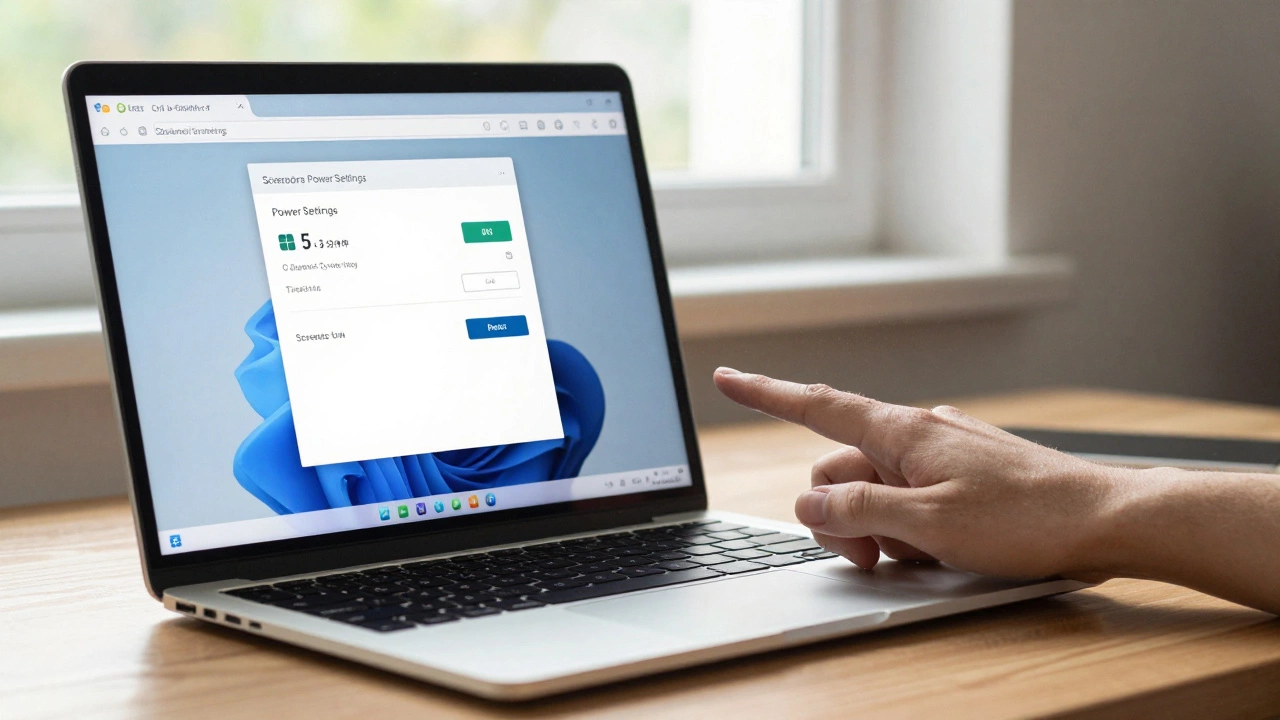
On a Windows PC or Mac, the power settings are often the most overlooked. Go to Power & Sleep (Windows) or Battery (Mac). Set your screen to turn off after 5 minutes of inactivity, not 15. Set your computer to sleep after 10 minutes. These small changes add up. A study by the University of California found that users who adjusted sleep settings saw up to 18% longer battery life over a month.
Also, check your keyboard shortcuts. Most people don’t know you can press Ctrl+Shift+T (Windows) or Command+Shift+T (Mac) to reopen the last closed tab. That one shortcut saves minutes every day. Learn three more. You’ll thank yourself later.
App-specific settings: what you’re missing
Apps like Instagram, YouTube, or Spotify have hidden settings that change how you experience them. In YouTube, go to Settings > Playback and turn off Autoplay. It sounds small, but it stops endless scrolling. In Spotify, go to Settings > Privacy and turn off “Share my listening activity.” You don’t owe anyone your playlist history.
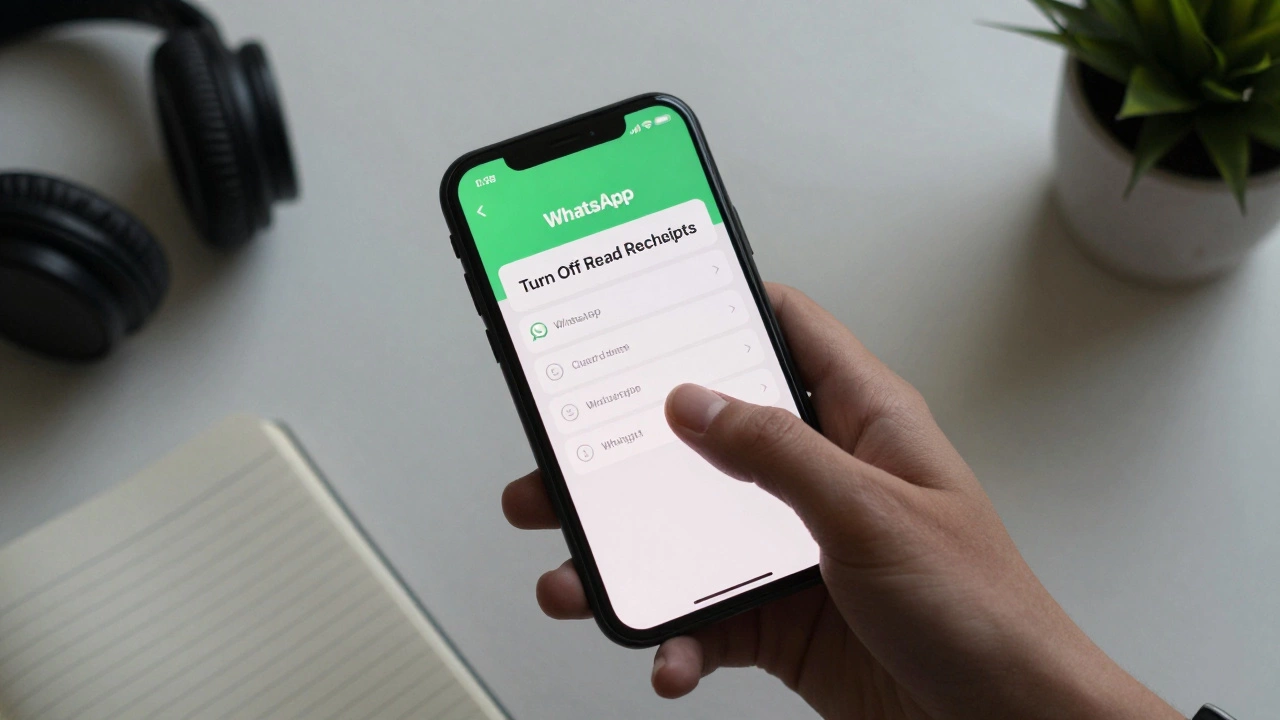
For messaging apps, disable read receipts if you want space. In WhatsApp, go to Settings > Account > Privacy > Read Receipts. Toggle it off. You’ll still see when others read your messages - but they won’t know when you’ve seen theirs. It’s not about being sneaky. It’s about setting boundaries.
Privacy and security: don’t wait for a breach
Two-factor authentication isn’t optional anymore. Turn it on everywhere you can - email, banking, social media. Most platforms offer it under Security Settings. You don’t need an app. SMS codes work fine. It’s better than nothing.
Check which apps have access to your location. Go to Settings > Privacy > Location Services (iOS) or Location (Android). Turn off location for apps that don’t need it - like your calculator or flashlight app. Apps that track your location in the background are draining your battery and selling your data. You don’t need them to know where you slept last night.
Resetting to factory settings: when and how
Sometimes, nothing fixes a glitch except a reset. Before you do it, back up your photos, contacts, and important files. On iPhone: Settings > General > Transfer or Reset iPhone > Erase All Content and Settings. On Android: Settings > System > Reset options > Erase all data (factory reset).
After resetting, don’t just restore everything from backup. Reinstall only what you use daily. That’s when you realize you hadn’t opened half the apps you thought you needed. You’ll feel lighter. Your phone will run faster.
Common mistakes people make
One mistake: changing too many things at once. If you turn off notifications, adjust brightness, reset privacy, and change themes all in one sitting, you’ll forget what you did. Make one change per day. Test it. Live with it. Then move on.
Another mistake: trusting default settings. Manufacturers set defaults for mass appeal, not your habits. Your phone’s default wallpaper isn’t yours. Your default ringtone isn’t yours. Your default notification sound? Probably not yours either. Customize them. Make it feel like your space.
A third mistake: ignoring updates. Updates fix bugs, close security holes, and sometimes add features you didn’t know you needed. Don’t ignore them. Enable automatic updates for your operating system and apps. You’ll thank yourself when your device doesn’t crash during an important call.
What to do if nothing works
If a setting won’t save, or an app keeps resetting, try this: force stop the app, clear its cache, then restart your device. On Android: Settings > Apps > [App Name] > Storage > Clear Cache. On iOS: Delete the app, then reinstall it from the App Store.
If your device is slow overall, check storage. If your phone says “Storage almost full,” delete old photos, uninstall unused apps, and move files to the cloud. A phone with less than 10% free space runs slower than it should. That’s not a myth. It’s physics.
Final tip: make a personal checklist
Write down the top three settings you want to change this week. Example:
- Turn off autoplay on YouTube
- Disable location for non-essential apps
- Set screen timeout to 5 minutes
Do one per day. In three days, you’ll have a device that feels new again. No apps to download. No gadgets to buy. Just better settings.
And if you’re ever tempted to skip this because it feels too small - remember: the best things in life aren’t loud. They’re quiet adjustments you make without telling anyone. That’s how you take back control.
Some people search for the vip escort london experience because they want something tailored, personal, and carefully chosen. The same applies to your digital life. You don’t need more tools. You need better settings.
Meanwhile, the london vip escort market thrives on trust, reputation, and attention to detail. Your device deserves the same level of care. Don’t outsource your digital comfort. Manage it yourself.
And if you ever feel overwhelmed, remember: even the best london escort agency doesn’t handle everything for you. They guide you to the right choice. You still make the final decision. So do the same with your settings. You’re in charge.





Written by Griffin Callahan
Hi, I'm Griffin Callahan, a sports enthusiast with a particular expertise in tennis. I've dedicated years to studying the game, both as a player and an analyst. My passion for tennis has led me to write extensively about the sport, covering everything from player profiles to match analyses. I love sharing my knowledge and insights with fellow tennis fans, and I'm always eager to engage in discussions about the sport we all love.
All posts: Griffin Callahan